Buy keynotespeaker.eu ?
We are moving the project
keynotespeaker.eu .
Are you interested in purchasing the domain
keynotespeaker.eu ?
domain@kv-gmbh.de · 0541-91531010
Buy keynotespeaker.eu ?
Do all evolutionary factors have to act in synthetic evolutionary theory?
In synthetic evolutionary theory, not all evolutionary factors have to act in isolation. Instead, the theory emphasizes the interaction and integration of multiple factors, such as genetic variation, natural selection, genetic drift, and gene flow, in shaping the evolutionary process. This approach recognizes that evolution is a complex and multifaceted phenomenon, and that the combined effects of these factors can lead to the emergence of new traits and species. By considering the interactions among these factors, synthetic evolutionary theory provides a more comprehensive understanding of the evolutionary process. **
Is love of evolutionary origin?
Yes, the concept of love is believed to have evolutionary origins. Evolutionary psychologists suggest that love developed as a mechanism to promote bonding and cooperation between individuals, which increased the chances of survival and reproduction. The feelings of attachment, care, and protection associated with love are thought to have evolved to ensure the successful raising of offspring. Therefore, love is considered to have evolved as an adaptive trait that has persisted over time due to its benefits for human survival and reproduction. **


Similar search terms for Evolutionary
Top-Angebote
Products related to Evolutionary:
-
Rupa Publications India The CEO Speaks: The Essential Laws of Business and Success by Rudy Nash - Paperback - Business & Leadership Guide -The CEO Speaks: The Essential Laws of Business and Success by Rudy Nash is a practical guide to how great leaders think and operate. Drawing on real boardroom dynamics, Nash distills hard-won lessons from top executives into clear, actionable principles covering strategy, culture, crisis management, and personal growth. This book offers a candid look at what separates good leaders from exceptional ones. It's ideal for business professionals, entrepreneurs, and anyone looking to improve their leadership skills. Brand new paperback, perfect for your business bookshelf or as a thoughtful gift. Step into the mind of a modern leader with The CEO Speaks, revealing the secrets of influential CEOs who elevate companies and transform cultures. Rudy Nash takes readers behind closed boardroom doors, unpacking the responses of successful leaders and sharing their insights on how to achieve success.2,99 £*Shipping: 2,99 £Secure redirect to the provider
-
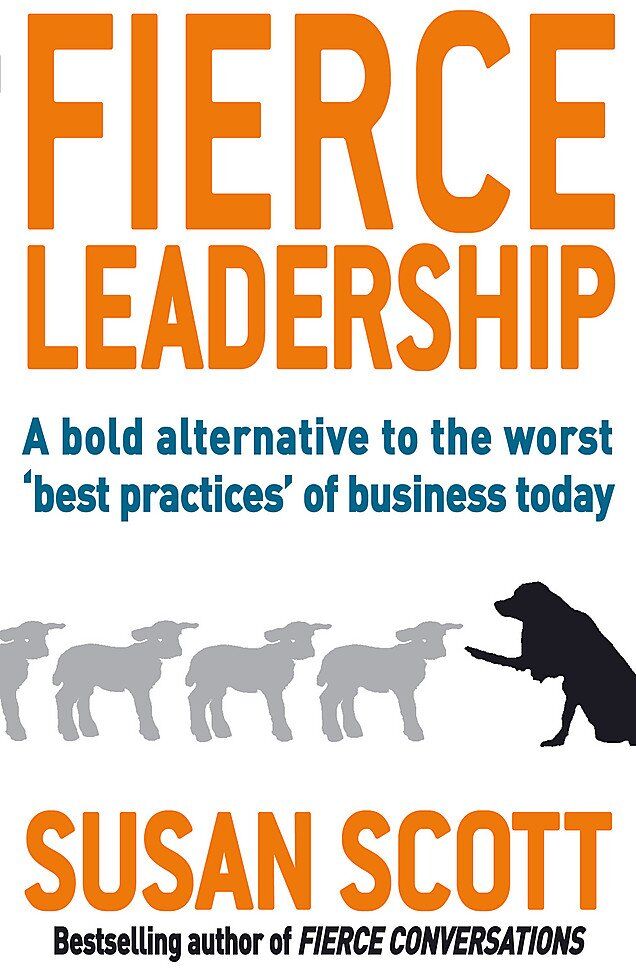
Fierce Leadership by Susan Scott - Piatkus Paperback - Business & Leadership - 336 PagesFierce Leadership by Susan Scott is a candid, research-driven challenge to the management mantras most businesses take for granted. Susan Scott, the bestselling author behind Fierce Conversations, argues that popular 'best practices' like hiring smart people or holding people accountable often quietly undermine performance, morale, and customer loyalty. Drawing on years of work inside Fortune 500 boardrooms, she offers a sharper, more honest alternative: leadership built on courageous, focused conversations rather than corporate slogans. This non-fiction paperback book explores how leadership functions inside high-performing organisations and how it fails inside ordinary ones. Susan Scott spent over a decade studying the inner workings of successful companies and presents her findings in this insightful book.2,99 £*Shipping: 2,99 £Secure redirect to the provider
-
Rupa Publications Lead With Words, Win With Action by Dale Carnegie - Paperback Business & Leadership Self-Help Book - Practical Guide to Influence, CommunicationLead With Words, Win With Action by Dale Carnegie is a practical guide to communicating with confidence and leading with impact. This paperback book distils the enduring principles of Dale Carnegie's philosophy of influence into a modern guide for anyone who wants to build trust, motivate others, and convert conversation into real results. It blends timeless wisdom with actionable strategies for the modern workplace. The book explores how the right combination of language, listening, and follow-through can transform everyday interactions into lasting influence. Chapters cover practical topics such as how to open a conversation, disagree without creating an enemy, and more. Published by Rupa Publications, this book is a concise and energising read for anyone looking to improve their communication skills and leadership abilities.2,99 £*Shipping: 2,99 £Secure redirect to the provider
-
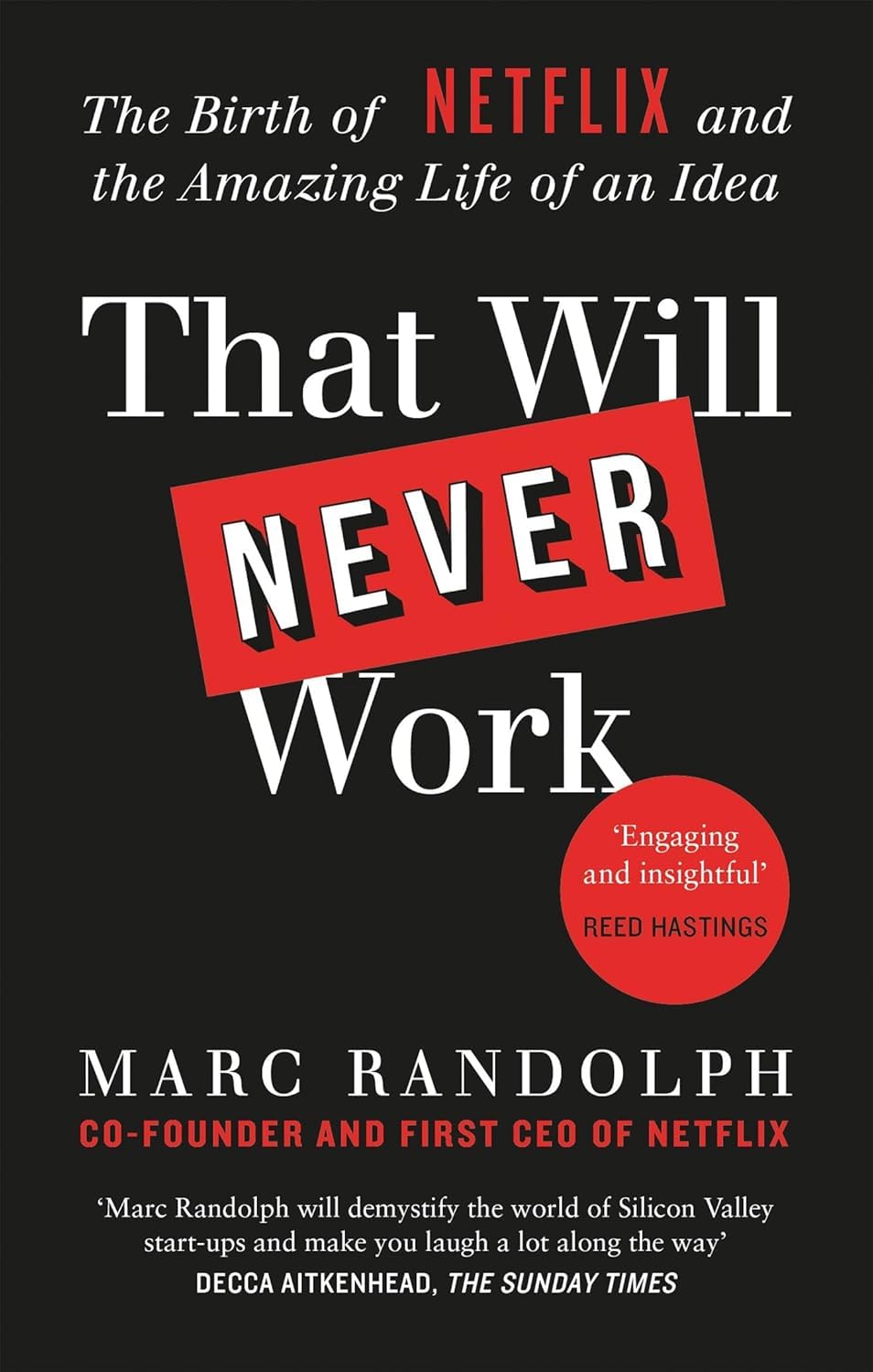
Various Publishers The Diary of a CEO, That Will Never Work & Fierce Conversations 3 Book Paperback Set - Business, Leadership & Communication Skills CollectionThis three-book paperback set brings together some of the sharpest voices in modern business thinking. The set includes The Diary of a CEO, That Will Never Work, and Fierce Conversations. Written by Steven Bartlett, Marc Randolph, and Susan Scott, these books offer timeless lessons from entrepreneurship and thousands of podcast conversations, the extraordinary true story of building Netflix from scratch, and the art of honest, high-impact conversation. Together they form a practical toolkit for anyone building a career, a company, or simply better relationships through clearer communication.29,99 £*Shipping: 2,99 £Secure redirect to the provider


-
What is an evolutionary brake?
An evolutionary brake refers to a factor or mechanism that slows down or limits the rate of evolution within a population or species. This can include environmental factors, such as limited resources or harsh conditions, that restrict the ability of individuals with certain traits to survive and reproduce. Additionally, genetic factors, such as mutations that are detrimental to an organism's survival or reproduction, can act as evolutionary brakes by preventing those traits from becoming more common in a population. Overall, evolutionary brakes help to maintain genetic diversity and prevent rapid and potentially harmful changes in a population. **
-
Do blood types have evolutionary advantages?
Yes, blood types are believed to have evolutionary advantages. For example, the ABO blood group system is thought to have evolved as a way to protect against certain diseases. Individuals with type O blood are less susceptible to severe malaria, while those with type A blood may have a higher risk of developing certain types of cancer. Additionally, the Rh factor in blood types is thought to have evolved as a way to protect against certain infections. Overall, blood types are believed to have evolved as a way to provide some level of protection against various diseases and infections. **
-
What are evolutionary directions in biology?
Evolutionary directions in biology refer to the changes and adaptations that occur in living organisms over time. These changes can include the development of new traits, behaviors, or structures that help organisms better survive and reproduce in their environment. Evolutionary directions can also involve the branching out of new species from a common ancestor, leading to the diversity of life we see today. By studying these evolutionary directions, scientists can gain insights into the history and relationships of different species, as well as how organisms may continue to evolve in the future. **
-
Are there evolutionary reasons for ADHD?
There is evidence to suggest that there may be evolutionary reasons for ADHD. Some researchers propose that the traits associated with ADHD, such as impulsivity and hyperactivity, may have been advantageous in certain ancestral environments. For example, individuals with ADHD traits may have been better suited for tasks that required quick decision-making and action, such as hunting or gathering. However, in modern society, these traits can be disruptive and impairing, leading to the diagnosis of ADHD. Further research is needed to fully understand the evolutionary origins of ADHD. **

What is the evolutionary factor selection?
Evolution by natural selection is the process by which organisms with advantageous traits are more likely to survive, reproduce, and pass on those traits to their offspring. This leads to the gradual accumulation of beneficial traits in a population over generations, resulting in the adaptation of organisms to their environment. The key components of natural selection are variation in traits, heritability of those traits, and differential reproductive success based on those traits. Ultimately, natural selection is the driving force behind the diversity of life on Earth. **
Can one force an evolutionary change?
Evolutionary change occurs over long periods of time through natural selection, genetic mutation, and other factors. It is not possible to force an evolutionary change in a specific direction or within a short period of time. However, humans have influenced the evolution of certain species through selective breeding and genetic engineering. These interventions can lead to changes in the genetic makeup of a population, but they are not considered natural evolutionary processes. Overall, while humans can influence the genetic makeup of a population, they cannot force an evolutionary change in the traditional sense. **
Top-Angebote
Products related to Evolutionary:
-
Rupa Publications India The CEO Speaks: The Essential Laws of Business and Success by Rudy Nash - Paperback - Business & Leadership Guide -The CEO Speaks: The Essential Laws of Business and Success by Rudy Nash is a practical guide to how great leaders think and operate. Drawing on real boardroom dynamics, Nash distills hard-won lessons from top executives into clear, actionable principles covering strategy, culture, crisis management, and personal growth. This book offers a candid look at what separates good leaders from exceptional ones. It's ideal for business professionals, entrepreneurs, and anyone looking to improve their leadership skills. Brand new paperback, perfect for your business bookshelf or as a thoughtful gift. Step into the mind of a modern leader with The CEO Speaks, revealing the secrets of influential CEOs who elevate companies and transform cultures. Rudy Nash takes readers behind closed boardroom doors, unpacking the responses of successful leaders and sharing their insights on how to achieve success.2,99 £*Shipping: 2,99 £Secure redirect to the provider
-
Fierce Leadership by Susan Scott - Piatkus Paperback - Business & Leadership - 336 PagesFierce Leadership by Susan Scott is a candid, research-driven challenge to the management mantras most businesses take for granted. Susan Scott, the bestselling author behind Fierce Conversations, argues that popular 'best practices' like hiring smart people or holding people accountable often quietly undermine performance, morale, and customer loyalty. Drawing on years of work inside Fortune 500 boardrooms, she offers a sharper, more honest alternative: leadership built on courageous, focused conversations rather than corporate slogans. This non-fiction paperback book explores how leadership functions inside high-performing organisations and how it fails inside ordinary ones. Susan Scott spent over a decade studying the inner workings of successful companies and presents her findings in this insightful book.2,99 £*Shipping: 2,99 £Secure redirect to the provider
-
Do all evolutionary factors have to act in synthetic evolutionary theory?
In synthetic evolutionary theory, not all evolutionary factors have to act in isolation. Instead, the theory emphasizes the interaction and integration of multiple factors, such as genetic variation, natural selection, genetic drift, and gene flow, in shaping the evolutionary process. This approach recognizes that evolution is a complex and multifaceted phenomenon, and that the combined effects of these factors can lead to the emergence of new traits and species. By considering the interactions among these factors, synthetic evolutionary theory provides a more comprehensive understanding of the evolutionary process. **
-
Is love of evolutionary origin?
Yes, the concept of love is believed to have evolutionary origins. Evolutionary psychologists suggest that love developed as a mechanism to promote bonding and cooperation between individuals, which increased the chances of survival and reproduction. The feelings of attachment, care, and protection associated with love are thought to have evolved to ensure the successful raising of offspring. Therefore, love is considered to have evolved as an adaptive trait that has persisted over time due to its benefits for human survival and reproduction. **
-
What is an evolutionary brake?
An evolutionary brake refers to a factor or mechanism that slows down or limits the rate of evolution within a population or species. This can include environmental factors, such as limited resources or harsh conditions, that restrict the ability of individuals with certain traits to survive and reproduce. Additionally, genetic factors, such as mutations that are detrimental to an organism's survival or reproduction, can act as evolutionary brakes by preventing those traits from becoming more common in a population. Overall, evolutionary brakes help to maintain genetic diversity and prevent rapid and potentially harmful changes in a population. **
-
Do blood types have evolutionary advantages?
Yes, blood types are believed to have evolutionary advantages. For example, the ABO blood group system is thought to have evolved as a way to protect against certain diseases. Individuals with type O blood are less susceptible to severe malaria, while those with type A blood may have a higher risk of developing certain types of cancer. Additionally, the Rh factor in blood types is thought to have evolved as a way to protect against certain infections. Overall, blood types are believed to have evolved as a way to provide some level of protection against various diseases and infections. **
Similar search terms for Evolutionary
-
Rupa Publications Lead With Words, Win With Action by Dale Carnegie - Paperback Business & Leadership Self-Help Book - Practical Guide to Influence, CommunicationLead With Words, Win With Action by Dale Carnegie is a practical guide to communicating with confidence and leading with impact. This paperback book distils the enduring principles of Dale Carnegie's philosophy of influence into a modern guide for anyone who wants to build trust, motivate others, and convert conversation into real results. It blends timeless wisdom with actionable strategies for the modern workplace. The book explores how the right combination of language, listening, and follow-through can transform everyday interactions into lasting influence. Chapters cover practical topics such as how to open a conversation, disagree without creating an enemy, and more. Published by Rupa Publications, this book is a concise and energising read for anyone looking to improve their communication skills and leadership abilities.2,99 £*Shipping: 2,99 £Secure redirect to the provider
-
Various Publishers The Diary of a CEO, That Will Never Work & Fierce Conversations 3 Book Paperback Set - Business, Leadership & Communication Skills CollectionThis three-book paperback set brings together some of the sharpest voices in modern business thinking. The set includes The Diary of a CEO, That Will Never Work, and Fierce Conversations. Written by Steven Bartlett, Marc Randolph, and Susan Scott, these books offer timeless lessons from entrepreneurship and thousands of podcast conversations, the extraordinary true story of building Netflix from scratch, and the art of honest, high-impact conversation. Together they form a practical toolkit for anyone building a career, a company, or simply better relationships through clearer communication.29,99 £*Shipping: 2,99 £Secure redirect to the provider
-
The Readers Paradise Enhancing Your Leadership Skills: A Practical Handbook for Success by Prof. V.K.Simon - Non Fiction Paperback - Leadership & Professional DevelopmentEnhance your leadership skills with this practical handbook by Prof. V.K.Simon. Written for anyone looking to lead with confidence and clarity, it blends self-awareness, emotional intelligence, and real-world strategy to help you achieve success. Whether you're a first-time manager or a seasoned executive, this compact guide delivers tools to strengthen decision-making, communication, and team impact in a fast-changing global workplace. It's built around the idea that great leadership is learned through practice, not theory alone, and covers the core competencies every effective leader needs, starting with self-awareness and emotional intelligence.2,99 £*Shipping: 2,99 £Secure redirect to the provider
-
MACMILLAN Kim Scott Collection 2 Books Set Radical Respect & Radical Candor – Leadership, Communication & Workplace Culture GuidesThe Kim Scott Collection – 2 Books Set brings together two transformative leadership bestsellers: Radical Respect and Radical Candor. Written by acclaimed workplace expert Kim Scott, these books offer practical, honest, and empowering guidance for building stronger teams, better communication, and healthier workplace cultures. In Radical Candor, Scott introduces her now-famous framework:Care Personally + Challenge Directly.Learn how to deliver feedback effectively, build trust, and lead with clarity without becoming overly harsh or avoiding difficult conversations. In Radical Respect, Scott expands on inclusion, fairness, accountability and anti-bullying frameworks—showing readers how to build workplaces rooted in dignity, psychological safety, and genuine respect. Together, these books provide a complete roadmap for leaders, managers, HR teams and anyone who wants to communicate better, lead with courage, and create workplaces where people thrive.6,99 £*Shipping: 2,99 £Secure redirect to the provider
-
What are evolutionary directions in biology?
Evolutionary directions in biology refer to the changes and adaptations that occur in living organisms over time. These changes can include the development of new traits, behaviors, or structures that help organisms better survive and reproduce in their environment. Evolutionary directions can also involve the branching out of new species from a common ancestor, leading to the diversity of life we see today. By studying these evolutionary directions, scientists can gain insights into the history and relationships of different species, as well as how organisms may continue to evolve in the future. **
-
Are there evolutionary reasons for ADHD?
There is evidence to suggest that there may be evolutionary reasons for ADHD. Some researchers propose that the traits associated with ADHD, such as impulsivity and hyperactivity, may have been advantageous in certain ancestral environments. For example, individuals with ADHD traits may have been better suited for tasks that required quick decision-making and action, such as hunting or gathering. However, in modern society, these traits can be disruptive and impairing, leading to the diagnosis of ADHD. Further research is needed to fully understand the evolutionary origins of ADHD. **
-
What is the evolutionary factor selection?
Evolution by natural selection is the process by which organisms with advantageous traits are more likely to survive, reproduce, and pass on those traits to their offspring. This leads to the gradual accumulation of beneficial traits in a population over generations, resulting in the adaptation of organisms to their environment. The key components of natural selection are variation in traits, heritability of those traits, and differential reproductive success based on those traits. Ultimately, natural selection is the driving force behind the diversity of life on Earth. **
-
Can one force an evolutionary change?
Evolutionary change occurs over long periods of time through natural selection, genetic mutation, and other factors. It is not possible to force an evolutionary change in a specific direction or within a short period of time. However, humans have influenced the evolution of certain species through selective breeding and genetic engineering. These interventions can lead to changes in the genetic makeup of a population, but they are not considered natural evolutionary processes. Overall, while humans can influence the genetic makeup of a population, they cannot force an evolutionary change in the traditional sense. **
* All prices are inclusive of VAT and, if applicable, plus shipping costs. The offer information is based on the details provided by the respective shop and is updated through automated processes. Real-time updates do not occur, so deviations can occur in individual cases. ** Note: Parts of this content were created by AI.