Buy keynotespeaker.eu ?
We are moving the project
keynotespeaker.eu .
Are you interested in purchasing the domain
keynotespeaker.eu ?
domain@kv-gmbh.de · 0541-91531010
Buy keynotespeaker.eu ?
What is meant by communication policy?
Communication policy refers to a set of guidelines and rules established by an organization to govern how communication is conducted internally and externally. It outlines the preferred methods of communication, the tone and language to be used, as well as the channels through which information should be shared. A communication policy helps ensure consistency, transparency, and effectiveness in all communication efforts, ultimately helping to build trust and maintain a positive reputation for the organization. **
Was the economic policy of the NSDAP a success?
The economic policy of the NSDAP, led by Adolf Hitler, can be seen as a short-term success in terms of reducing unemployment and stimulating economic growth through public works projects and rearmament. However, the long-term consequences of the policy, such as hyperinflation and the devastation of World War II, ultimately led to economic ruin for Germany. Additionally, the policy was built on a foundation of militarism and aggression, which ultimately led to the downfall of the Nazi regime. Therefore, while the economic policy initially appeared successful, it ultimately led to catastrophic consequences for Germany and the world. **


Similar search terms for Policy
Top-Angebote
Products related to Policy:
-
Yellow Kite Food Fix by Mark Hyman MD - Paperback - Food Policy, Health & Environment Non-Fiction BookFood Fix by Mark Hyman is a non-fiction paperback book that explores the connection between food and the crises facing society. Written by New York Times best-selling author and physician Mark Hyman, this book argues that fixing our broken food system could have a positive impact on our health, local economies, communities, and the planet. In Food Fix, Hyman lays bare how industrial food and agriculture systems are shaped by powerful financial interests, driving issues such as obesity and type 2 diabetes. This book is essential reading for anyone concerned about the intersection of food, health, and the environment.3,49 £*Shipping: 2,99 £Secure redirect to the provider
-
Rupa Publications India The CEO Speaks: The Essential Laws of Business and Success by Rudy Nash - Paperback - Business & Leadership Guide -The CEO Speaks: The Essential Laws of Business and Success by Rudy Nash is a practical guide to how great leaders think and operate. Drawing on real boardroom dynamics, Nash distills hard-won lessons from top executives into clear, actionable principles covering strategy, culture, crisis management, and personal growth. This book offers a candid look at what separates good leaders from exceptional ones. It's ideal for business professionals, entrepreneurs, and anyone looking to improve their leadership skills. Brand new paperback, perfect for your business bookshelf or as a thoughtful gift. Step into the mind of a modern leader with The CEO Speaks, revealing the secrets of influential CEOs who elevate companies and transform cultures. Rudy Nash takes readers behind closed boardroom doors, unpacking the responses of successful leaders and sharing their insights on how to achieve success.2,99 £*Shipping: 2,99 £Secure redirect to the provider
-
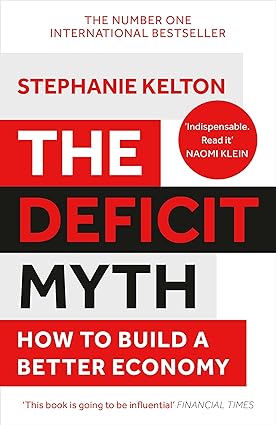
The Deficit Myth by Stephanie Kelton - Modern Monetary Theory - Paperback - John Murray Press - Economics & Public Policy BookThe Deficit Myth by Stephanie Kelton is a thought-provoking book that rethinks how modern economies work. Drawing on Modern Monetary Theory (MMT), Kelton challenges the conventional wisdom that government deficits are inherently dangerous, arguing instead that they can be powerful tools for funding public services and infrastructure. This paperback edition is a clear and accessible explanation of public finance and economic policy, making it essential reading for anyone interested in these topics. About the book, economist Stephanie Kelton dismantles the idea that government deficits are a looming disaster, showing that for countries that issue their own currency, the true constraint on spending is not a shortage of money but a shortage of political will to invest in the things that matter.5,99 £*Shipping: 2,99 £Secure redirect to the provider
-
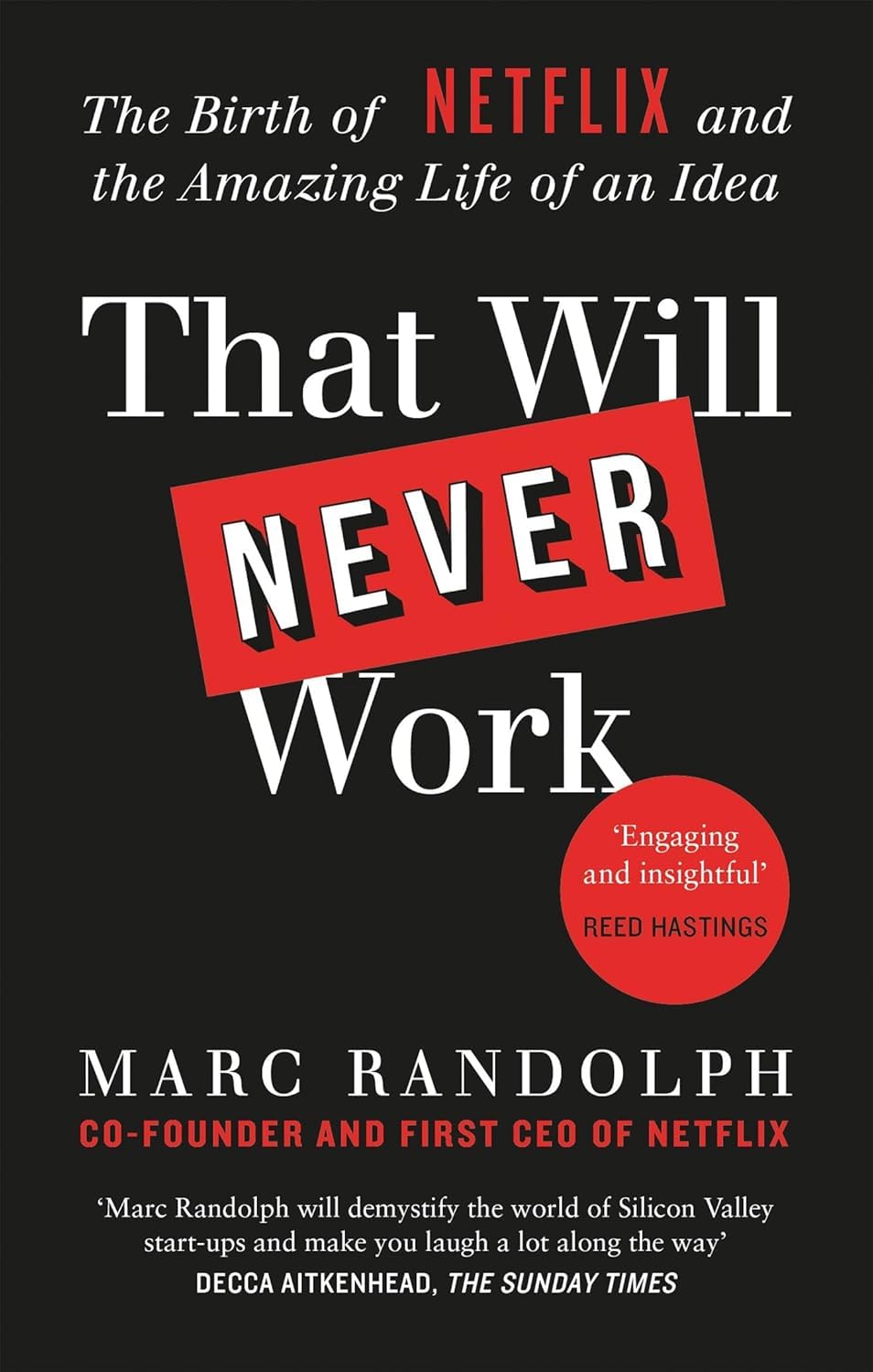
Various Publishers The Diary of a CEO, That Will Never Work & Fierce Conversations 3 Book Paperback Set - Business, Leadership & Communication Skills CollectionThis three-book paperback set brings together some of the sharpest voices in modern business thinking. The set includes The Diary of a CEO, That Will Never Work, and Fierce Conversations. Written by Steven Bartlett, Marc Randolph, and Susan Scott, these books offer timeless lessons from entrepreneurship and thousands of podcast conversations, the extraordinary true story of building Netflix from scratch, and the art of honest, high-impact conversation. Together they form a practical toolkit for anyone building a career, a company, or simply better relationships through clearer communication.29,99 £*Shipping: 2,99 £Secure redirect to the provider


-
What does the communication policy look like at Mercedes Benz?
At Mercedes Benz, the communication policy emphasizes transparency, open dialogue, and clear channels of communication. The company values regular updates and feedback from employees at all levels, encouraging a culture of collaboration and information sharing. Communication tools such as intranet, email, team meetings, and town hall sessions are utilized to ensure that information flows smoothly across the organization. Additionally, there is a focus on active listening and addressing any concerns or questions promptly to maintain a positive and engaging work environment. **
-
What is the difference between process policy, structural policy, and regulatory policy?
Process policy refers to the rules and procedures that govern how tasks are carried out within an organization. Structural policy pertains to the overall design and organization of an institution, including its hierarchy, reporting relationships, and division of responsibilities. Regulatory policy, on the other hand, involves the establishment and enforcement of rules and standards by a governing body to ensure compliance and protect the public interest. Each type of policy serves a distinct purpose in guiding behavior and decision-making within an organization or society. **
-
What is the difference between process policy, structural policy, and order policy?
Process policy refers to the rules and procedures that govern how decisions are made and implemented within an organization. Structural policy, on the other hand, pertains to the framework and organization of the institution, including its hierarchy, departments, and reporting structure. Order policy focuses on the sequence and prioritization of tasks and activities within the organization, ensuring that work is carried out efficiently and effectively. Each type of policy plays a crucial role in shaping the overall functioning and success of an organization. **
-
What is the difference between regional policy and cohesion policy?
Regional policy focuses on addressing economic disparities and promoting development within specific regions, while cohesion policy aims to reduce disparities and promote harmonious development across all regions within the European Union. Regional policy is more focused on specific geographic areas, while cohesion policy has a broader scope and aims to promote overall economic and social cohesion within the EU. Both policies work together to support sustainable development and reduce inequalities among regions. **
What is the difference between domestic policy and foreign policy?
Domestic policy refers to the decisions, laws, and actions that a government takes within its own borders to address issues such as healthcare, education, and the economy. On the other hand, foreign policy involves a government's strategies and actions in dealing with other countries, including diplomacy, trade, and military intervention. While domestic policy focuses on internal matters, foreign policy is concerned with external relations and international affairs. Both types of policy are crucial for a government to effectively govern and represent its interests at home and abroad. **
What is the difference between refugee policy and asylum policy?
Refugee policy and asylum policy both deal with the protection and support of individuals fleeing persecution or conflict, but they differ in their scope and focus. Refugee policy typically refers to the laws and regulations governing the admission, resettlement, and rights of individuals recognized as refugees by international or national authorities. Asylum policy, on the other hand, specifically pertains to the process and criteria for granting asylum to individuals who are seeking protection within a particular country's borders. While refugee policy addresses the broader framework for addressing refugee situations, asylum policy focuses on the specific procedures and rights for individuals seeking refuge within a particular country. **
Top-Angebote
Products related to Policy:
-
ClearBags "#10 Policy Premium Envelopes, Natural 4 1/8"" x 9 1/2"" 50 pack"Natural, Premium Opaque Envelopes feature a smooth and uniform print surface delivers rich and vibrant colors. Natural, Premium Opaque Envelopes provide uncompromising quality and excellent value. FSC and SFI-Certified and endorsed by the Rainforest...27,56 $*Shipping: 0,00 $Secure redirect to the provider
-
ClearBags "#10 Policy Premium Envelopes, White 4 1/8"" x 9 1/2"" 50 pack"White, Premium Opaque Envelopes feature a stellar brightness and balanced white shade. The smooth and uniform print surface delivers rich and vibrant colors. White, Premium Opaque Envelopes provide uncompromising quality and excellent value....24,79 $*Shipping: 0,00 $Secure redirect to the provider
-
Yellow Kite Food Fix by Mark Hyman MD - Paperback - Food Policy, Health & Environment Non-Fiction BookFood Fix by Mark Hyman is a non-fiction paperback book that explores the connection between food and the crises facing society. Written by New York Times best-selling author and physician Mark Hyman, this book argues that fixing our broken food system could have a positive impact on our health, local economies, communities, and the planet. In Food Fix, Hyman lays bare how industrial food and agriculture systems are shaped by powerful financial interests, driving issues such as obesity and type 2 diabetes. This book is essential reading for anyone concerned about the intersection of food, health, and the environment.3,49 £*Shipping: 2,99 £Secure redirect to the provider
-
Rupa Publications India The CEO Speaks: The Essential Laws of Business and Success by Rudy Nash - Paperback - Business & Leadership Guide -The CEO Speaks: The Essential Laws of Business and Success by Rudy Nash is a practical guide to how great leaders think and operate. Drawing on real boardroom dynamics, Nash distills hard-won lessons from top executives into clear, actionable principles covering strategy, culture, crisis management, and personal growth. This book offers a candid look at what separates good leaders from exceptional ones. It's ideal for business professionals, entrepreneurs, and anyone looking to improve their leadership skills. Brand new paperback, perfect for your business bookshelf or as a thoughtful gift. Step into the mind of a modern leader with The CEO Speaks, revealing the secrets of influential CEOs who elevate companies and transform cultures. Rudy Nash takes readers behind closed boardroom doors, unpacking the responses of successful leaders and sharing their insights on how to achieve success.2,99 £*Shipping: 2,99 £Secure redirect to the provider
-
What is meant by communication policy?
Communication policy refers to a set of guidelines and rules established by an organization to govern how communication is conducted internally and externally. It outlines the preferred methods of communication, the tone and language to be used, as well as the channels through which information should be shared. A communication policy helps ensure consistency, transparency, and effectiveness in all communication efforts, ultimately helping to build trust and maintain a positive reputation for the organization. **
-
Was the economic policy of the NSDAP a success?
The economic policy of the NSDAP, led by Adolf Hitler, can be seen as a short-term success in terms of reducing unemployment and stimulating economic growth through public works projects and rearmament. However, the long-term consequences of the policy, such as hyperinflation and the devastation of World War II, ultimately led to economic ruin for Germany. Additionally, the policy was built on a foundation of militarism and aggression, which ultimately led to the downfall of the Nazi regime. Therefore, while the economic policy initially appeared successful, it ultimately led to catastrophic consequences for Germany and the world. **
-
What does the communication policy look like at Mercedes Benz?
At Mercedes Benz, the communication policy emphasizes transparency, open dialogue, and clear channels of communication. The company values regular updates and feedback from employees at all levels, encouraging a culture of collaboration and information sharing. Communication tools such as intranet, email, team meetings, and town hall sessions are utilized to ensure that information flows smoothly across the organization. Additionally, there is a focus on active listening and addressing any concerns or questions promptly to maintain a positive and engaging work environment. **
-
What is the difference between process policy, structural policy, and regulatory policy?
Process policy refers to the rules and procedures that govern how tasks are carried out within an organization. Structural policy pertains to the overall design and organization of an institution, including its hierarchy, reporting relationships, and division of responsibilities. Regulatory policy, on the other hand, involves the establishment and enforcement of rules and standards by a governing body to ensure compliance and protect the public interest. Each type of policy serves a distinct purpose in guiding behavior and decision-making within an organization or society. **
Similar search terms for Policy
-
The Deficit Myth by Stephanie Kelton - Modern Monetary Theory - Paperback - John Murray Press - Economics & Public Policy BookThe Deficit Myth by Stephanie Kelton is a thought-provoking book that rethinks how modern economies work. Drawing on Modern Monetary Theory (MMT), Kelton challenges the conventional wisdom that government deficits are inherently dangerous, arguing instead that they can be powerful tools for funding public services and infrastructure. This paperback edition is a clear and accessible explanation of public finance and economic policy, making it essential reading for anyone interested in these topics. About the book, economist Stephanie Kelton dismantles the idea that government deficits are a looming disaster, showing that for countries that issue their own currency, the true constraint on spending is not a shortage of money but a shortage of political will to invest in the things that matter.5,99 £*Shipping: 2,99 £Secure redirect to the provider
-
Various Publishers The Diary of a CEO, That Will Never Work & Fierce Conversations 3 Book Paperback Set - Business, Leadership & Communication Skills CollectionThis three-book paperback set brings together some of the sharpest voices in modern business thinking. The set includes The Diary of a CEO, That Will Never Work, and Fierce Conversations. Written by Steven Bartlett, Marc Randolph, and Susan Scott, these books offer timeless lessons from entrepreneurship and thousands of podcast conversations, the extraordinary true story of building Netflix from scratch, and the art of honest, high-impact conversation. Together they form a practical toolkit for anyone building a career, a company, or simply better relationships through clearer communication.29,99 £*Shipping: 2,99 £Secure redirect to the provider
-
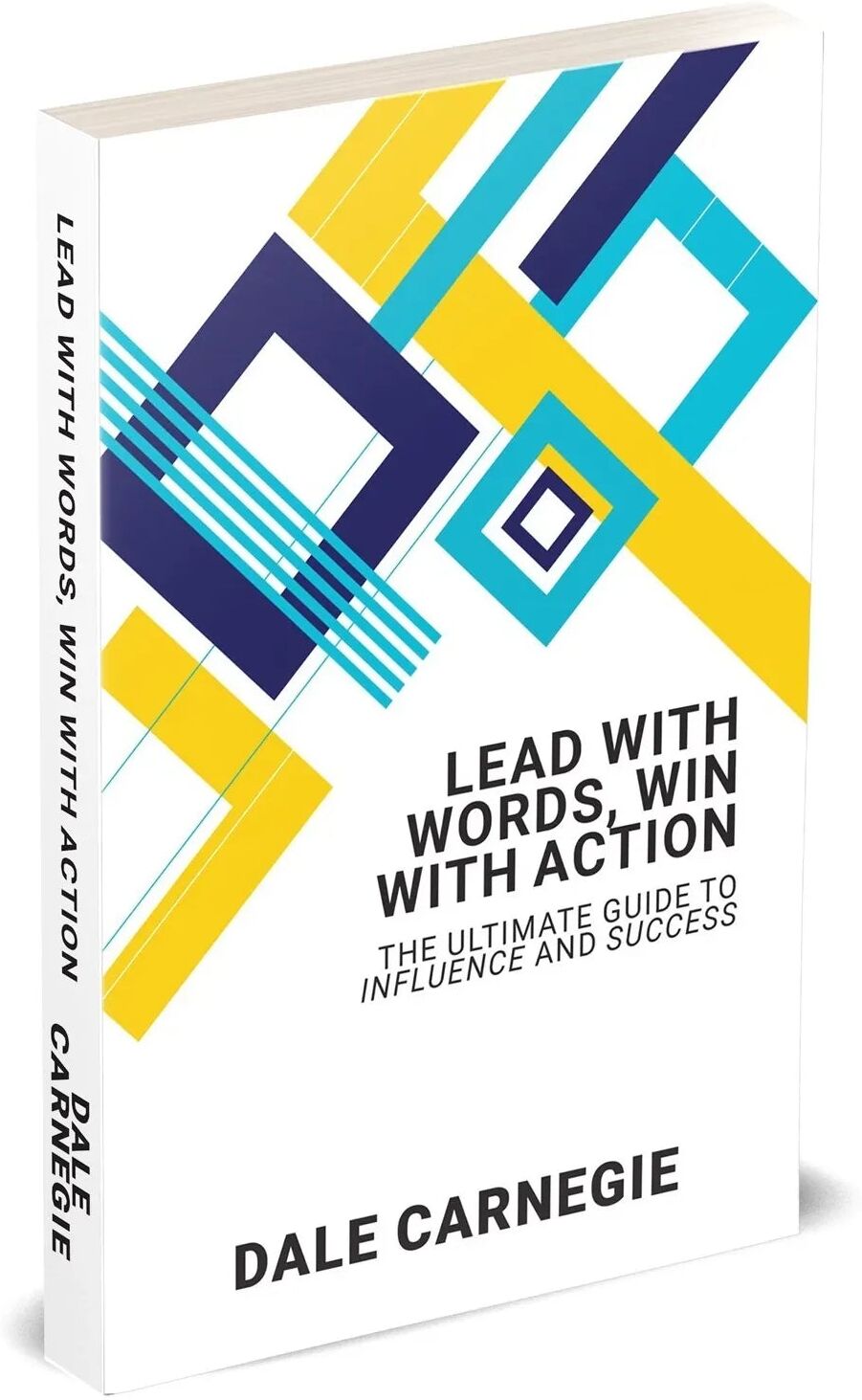
Rupa Publications Lead With Words, Win With Action by Dale Carnegie - Paperback Business & Leadership Self-Help Book - Practical Guide to Influence, CommunicationLead With Words, Win With Action by Dale Carnegie is a practical guide to communicating with confidence and leading with impact. This paperback book distils the enduring principles of Dale Carnegie's philosophy of influence into a modern guide for anyone who wants to build trust, motivate others, and convert conversation into real results. It blends timeless wisdom with actionable strategies for the modern workplace. The book explores how the right combination of language, listening, and follow-through can transform everyday interactions into lasting influence. Chapters cover practical topics such as how to open a conversation, disagree without creating an enemy, and more. Published by Rupa Publications, this book is a concise and energising read for anyone looking to improve their communication skills and leadership abilities.2,99 £*Shipping: 2,99 £Secure redirect to the provider
-
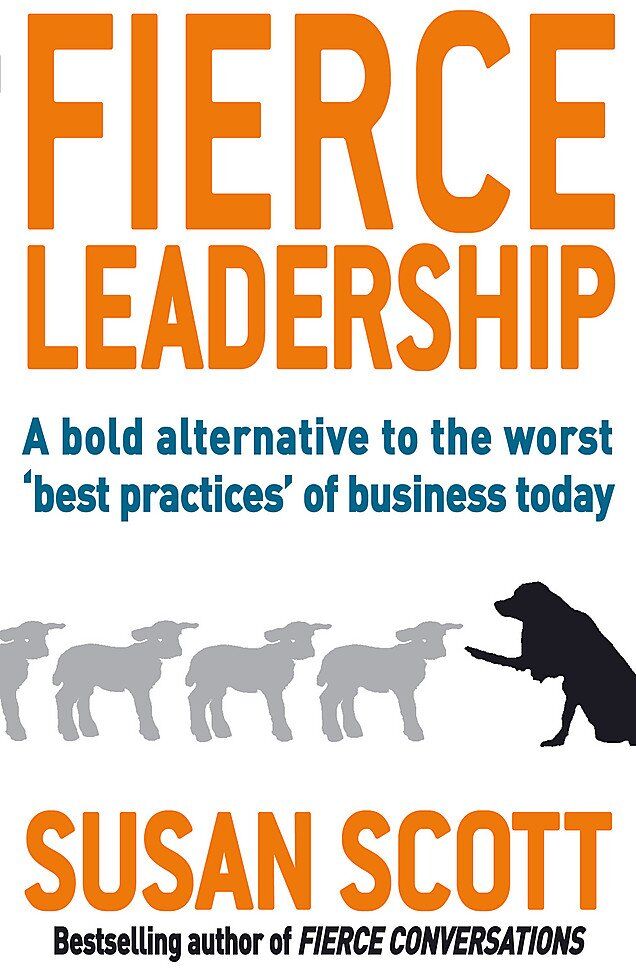
Fierce Leadership by Susan Scott - Piatkus Paperback - Business & Leadership - 336 PagesFierce Leadership by Susan Scott is a candid, research-driven challenge to the management mantras most businesses take for granted. Susan Scott, the bestselling author behind Fierce Conversations, argues that popular 'best practices' like hiring smart people or holding people accountable often quietly undermine performance, morale, and customer loyalty. Drawing on years of work inside Fortune 500 boardrooms, she offers a sharper, more honest alternative: leadership built on courageous, focused conversations rather than corporate slogans. This non-fiction paperback book explores how leadership functions inside high-performing organisations and how it fails inside ordinary ones. Susan Scott spent over a decade studying the inner workings of successful companies and presents her findings in this insightful book.2,99 £*Shipping: 2,99 £Secure redirect to the provider
-
What is the difference between process policy, structural policy, and order policy?
Process policy refers to the rules and procedures that govern how decisions are made and implemented within an organization. Structural policy, on the other hand, pertains to the framework and organization of the institution, including its hierarchy, departments, and reporting structure. Order policy focuses on the sequence and prioritization of tasks and activities within the organization, ensuring that work is carried out efficiently and effectively. Each type of policy plays a crucial role in shaping the overall functioning and success of an organization. **
-
What is the difference between regional policy and cohesion policy?
Regional policy focuses on addressing economic disparities and promoting development within specific regions, while cohesion policy aims to reduce disparities and promote harmonious development across all regions within the European Union. Regional policy is more focused on specific geographic areas, while cohesion policy has a broader scope and aims to promote overall economic and social cohesion within the EU. Both policies work together to support sustainable development and reduce inequalities among regions. **
-
What is the difference between domestic policy and foreign policy?
Domestic policy refers to the decisions, laws, and actions that a government takes within its own borders to address issues such as healthcare, education, and the economy. On the other hand, foreign policy involves a government's strategies and actions in dealing with other countries, including diplomacy, trade, and military intervention. While domestic policy focuses on internal matters, foreign policy is concerned with external relations and international affairs. Both types of policy are crucial for a government to effectively govern and represent its interests at home and abroad. **
-
What is the difference between refugee policy and asylum policy?
Refugee policy and asylum policy both deal with the protection and support of individuals fleeing persecution or conflict, but they differ in their scope and focus. Refugee policy typically refers to the laws and regulations governing the admission, resettlement, and rights of individuals recognized as refugees by international or national authorities. Asylum policy, on the other hand, specifically pertains to the process and criteria for granting asylum to individuals who are seeking protection within a particular country's borders. While refugee policy addresses the broader framework for addressing refugee situations, asylum policy focuses on the specific procedures and rights for individuals seeking refuge within a particular country. **
* All prices are inclusive of VAT and, if applicable, plus shipping costs. The offer information is based on the details provided by the respective shop and is updated through automated processes. Real-time updates do not occur, so deviations can occur in individual cases. ** Note: Parts of this content were created by AI.