Buy keynotespeaker.eu ?
We are moving the project
keynotespeaker.eu .
Are you interested in purchasing the domain
keynotespeaker.eu ?
domain@kv-gmbh.de · 0541-91531010
Buy keynotespeaker.eu ?
What is morality?
Morality refers to a set of principles or values that guide individuals on what is considered right or wrong behavior. It is a code of conduct that helps people make ethical decisions and distinguish between good and bad actions. Morality is often influenced by cultural, religious, and societal norms, and it plays a crucial role in shaping how individuals interact with others and navigate complex ethical dilemmas. **
Is there only subjective morality or is there also objective morality?
There is ongoing debate about whether morality is purely subjective or if there are objective moral truths. Some argue that morality is entirely subjective, meaning that it is based on individual beliefs, cultural norms, and personal experiences. Others believe in the existence of objective moral principles that are independent of individual perspectives and cultural influences. This debate is complex and has been discussed by philosophers and ethicists for centuries, and there is no consensus on the matter. **

Similar search terms for Morality
Top-Angebote
Products related to Morality:
-
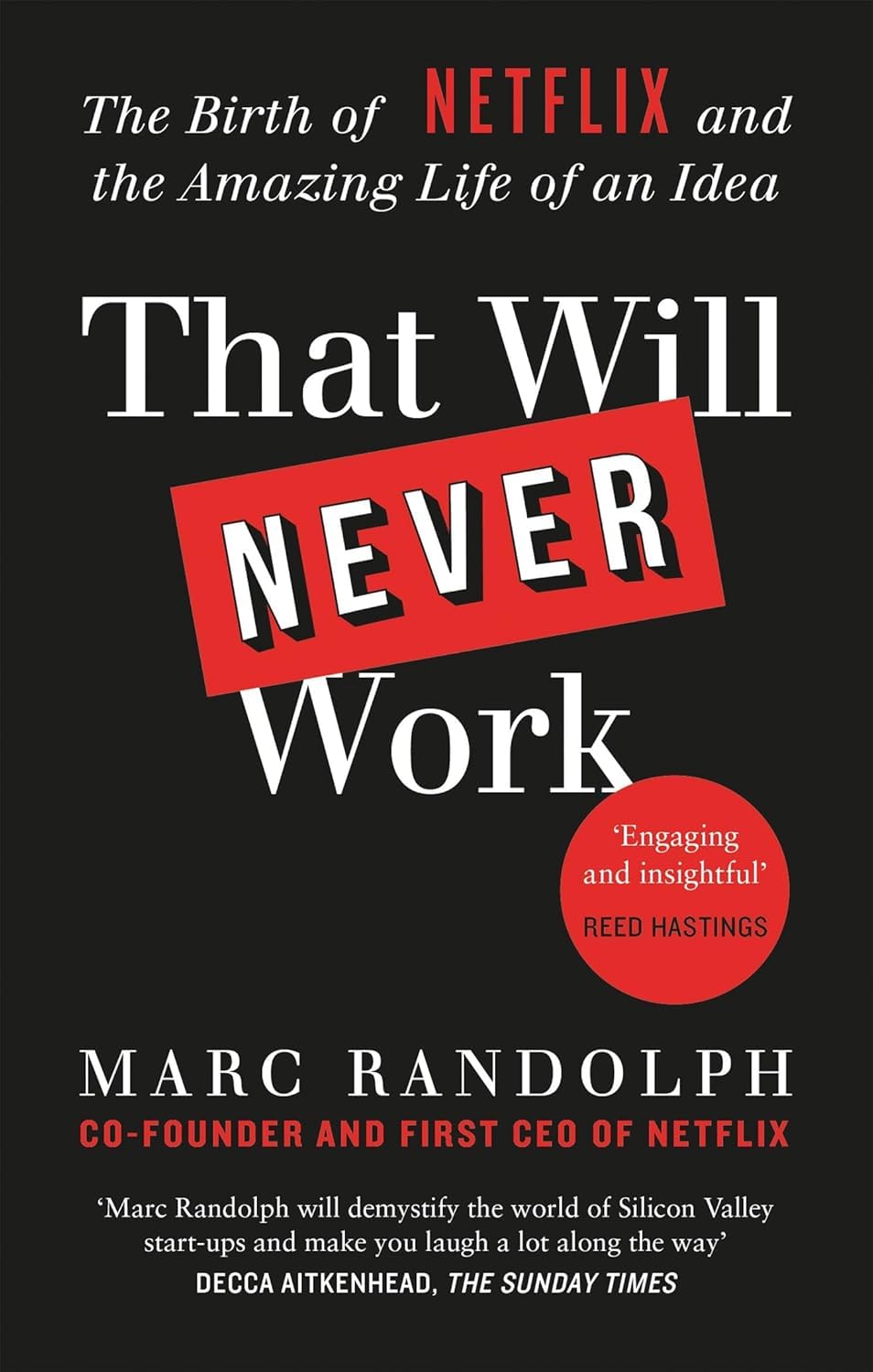
Various Publishers The Diary of a CEO, That Will Never Work & Fierce Conversations 3 Book Paperback Set - Business, Leadership & Communication Skills CollectionThis three-book paperback set brings together some of the sharpest voices in modern business thinking. The set includes The Diary of a CEO, That Will Never Work, and Fierce Conversations. Written by Steven Bartlett, Marc Randolph, and Susan Scott, these books offer timeless lessons from entrepreneurship and thousands of podcast conversations, the extraordinary true story of building Netflix from scratch, and the art of honest, high-impact conversation. Together they form a practical toolkit for anyone building a career, a company, or simply better relationships through clearer communication.29,99 £*Shipping: 2,99 £Secure redirect to the provider
-
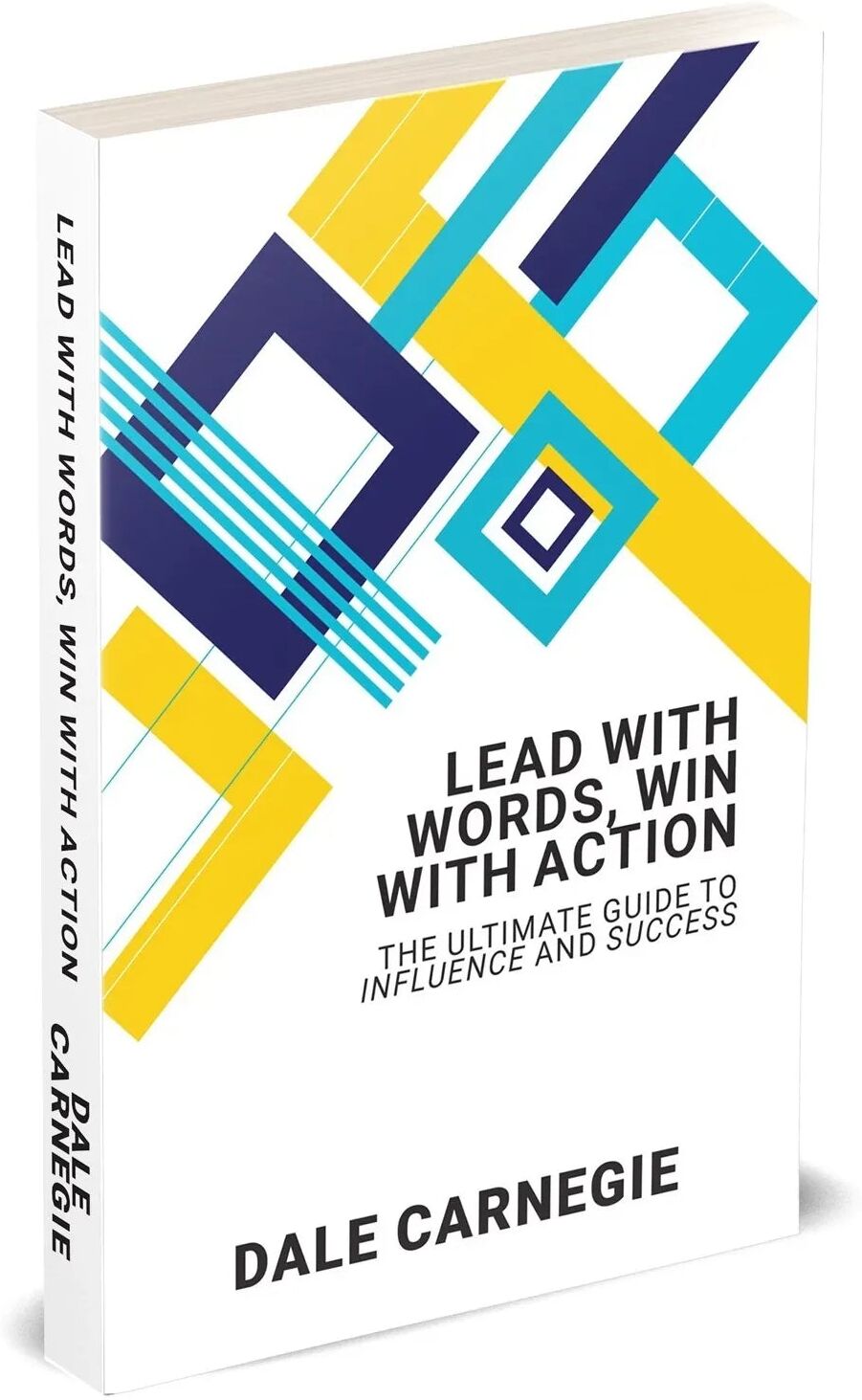
Rupa Publications Lead With Words, Win With Action by Dale Carnegie - Paperback Business & Leadership Self-Help Book - Practical Guide to Influence, CommunicationLead With Words, Win With Action by Dale Carnegie is a practical guide to communicating with confidence and leading with impact. This paperback book distils the enduring principles of Dale Carnegie's philosophy of influence into a modern guide for anyone who wants to build trust, motivate others, and convert conversation into real results. It blends timeless wisdom with actionable strategies for the modern workplace. The book explores how the right combination of language, listening, and follow-through can transform everyday interactions into lasting influence. Chapters cover practical topics such as how to open a conversation, disagree without creating an enemy, and more. Published by Rupa Publications, this book is a concise and energising read for anyone looking to improve their communication skills and leadership abilities.2,99 £*Shipping: 2,99 £Secure redirect to the provider
-
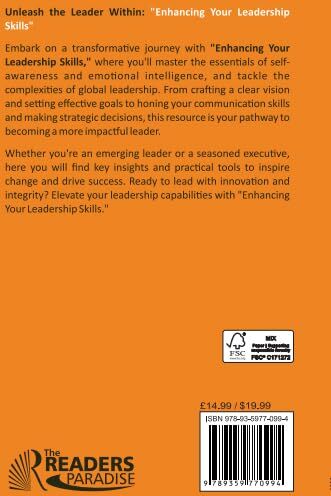
The Readers Paradise Enhancing Your Leadership Skills: A Practical Handbook for Success by Prof. V.K.Simon - Non Fiction Paperback - Leadership & Professional DevelopmentEnhance your leadership skills with this practical handbook by Prof. V.K.Simon. Written for anyone looking to lead with confidence and clarity, it blends self-awareness, emotional intelligence, and real-world strategy to help you achieve success. Whether you're a first-time manager or a seasoned executive, this compact guide delivers tools to strengthen decision-making, communication, and team impact in a fast-changing global workplace. It's built around the idea that great leadership is learned through practice, not theory alone, and covers the core competencies every effective leader needs, starting with self-awareness and emotional intelligence.2,99 £*Shipping: 2,99 £Secure redirect to the provider
-
MACMILLAN Kim Scott Collection 2 Books Set Radical Respect & Radical Candor – Leadership, Communication & Workplace Culture GuidesThe Kim Scott Collection – 2 Books Set brings together two transformative leadership bestsellers: Radical Respect and Radical Candor. Written by acclaimed workplace expert Kim Scott, these books offer practical, honest, and empowering guidance for building stronger teams, better communication, and healthier workplace cultures. In Radical Candor, Scott introduces her now-famous framework:Care Personally + Challenge Directly.Learn how to deliver feedback effectively, build trust, and lead with clarity without becoming overly harsh or avoiding difficult conversations. In Radical Respect, Scott expands on inclusion, fairness, accountability and anti-bullying frameworks—showing readers how to build workplaces rooted in dignity, psychological safety, and genuine respect. Together, these books provide a complete roadmap for leaders, managers, HR teams and anyone who wants to communicate better, lead with courage, and create workplaces where people thrive.6,99 £*Shipping: 2,99 £Secure redirect to the provider

-
Did Nietzsche want to abolish morality or enforce the master morality?
Nietzsche did not want to abolish morality altogether, but rather to challenge and critique the existing moral values of his time. He sought to undermine the traditional Christian morality, which he saw as promoting weakness and submission, and instead advocated for the reevaluation and redefinition of values based on what he called the "master morality." This master morality emphasized strength, power, and individual will, and Nietzsche believed it to be more in line with human nature and the pursuit of greatness. Therefore, Nietzsche aimed to enforce the master morality as a replacement for the prevailing moral values of his time. **
-
Can one afford morality?
Morality is not something that can be bought or sold, as it is a set of principles and values that guide one's actions and decisions. While there may be costs associated with living a moral life, such as making sacrifices or facing challenges, ultimately, morality is a choice that individuals make based on their beliefs and values. Therefore, one can afford morality by prioritizing it in their decision-making and actions, regardless of their financial situation. **
-
What is Philistine morality?
Philistine morality refers to a set of values and beliefs that prioritize material wealth, superficial appearances, and conformity to societal norms over deeper ethical considerations. It is often associated with a lack of intellectual or artistic appreciation, as well as a focus on immediate gratification and self-interest. The term "Philistine" originally referred to a group of people in ancient times who were considered uncultured and unrefined, and today it is used metaphorically to criticize individuals or societies that prioritize materialism and conformity over more meaningful or ethical pursuits. **
-
Is morality scientifically explainable?
Morality is a complex concept that is influenced by a variety of factors, including cultural, social, and psychological elements. While scientific research can provide insights into the origins and development of moral beliefs and behaviors, it may not be able to fully explain the subjective and value-laden nature of morality. Additionally, moral judgments often involve emotions, intuitions, and personal experiences that may not be easily captured or explained by scientific methods alone. Therefore, while science can contribute to our understanding of morality, it may not be able to provide a complete and definitive explanation. **

Why is there morality?
Morality exists as a set of principles and guidelines for human behavior in order to promote social harmony, cooperation, and well-being. It provides a framework for individuals to make ethical decisions and consider the impact of their actions on others. Morality also serves to regulate and maintain order within societies, as it establishes norms and expectations for how people should treat one another. Ultimately, morality is a product of human evolution and social development, arising from the need to navigate complex social interactions and promote the greater good. **
Does morality need God?
Morality does not necessarily need God in order to exist. Many people believe that morality can be derived from human reason, empathy, and a sense of justice. Philosophers and ethicists have developed various secular moral frameworks, such as utilitarianism and Kantian ethics, which do not rely on the existence of a divine being. While religion can certainly influence and shape moral beliefs for many people, it is not the only source of moral guidance. Ultimately, the question of whether morality needs God is a complex and deeply personal one, with different individuals and cultures holding diverse perspectives on the matter. **
Top-Angebote
Products related to Morality:
-
Rupa Publications India The CEO Speaks: The Essential Laws of Business and Success by Rudy Nash - Paperback - Business & Leadership Guide -The CEO Speaks: The Essential Laws of Business and Success by Rudy Nash is a practical guide to how great leaders think and operate. Drawing on real boardroom dynamics, Nash distills hard-won lessons from top executives into clear, actionable principles covering strategy, culture, crisis management, and personal growth. This book offers a candid look at what separates good leaders from exceptional ones. It's ideal for business professionals, entrepreneurs, and anyone looking to improve their leadership skills. Brand new paperback, perfect for your business bookshelf or as a thoughtful gift. Step into the mind of a modern leader with The CEO Speaks, revealing the secrets of influential CEOs who elevate companies and transform cultures. Rudy Nash takes readers behind closed boardroom doors, unpacking the responses of successful leaders and sharing their insights on how to achieve success.2,99 £*Shipping: 2,99 £Secure redirect to the provider
-
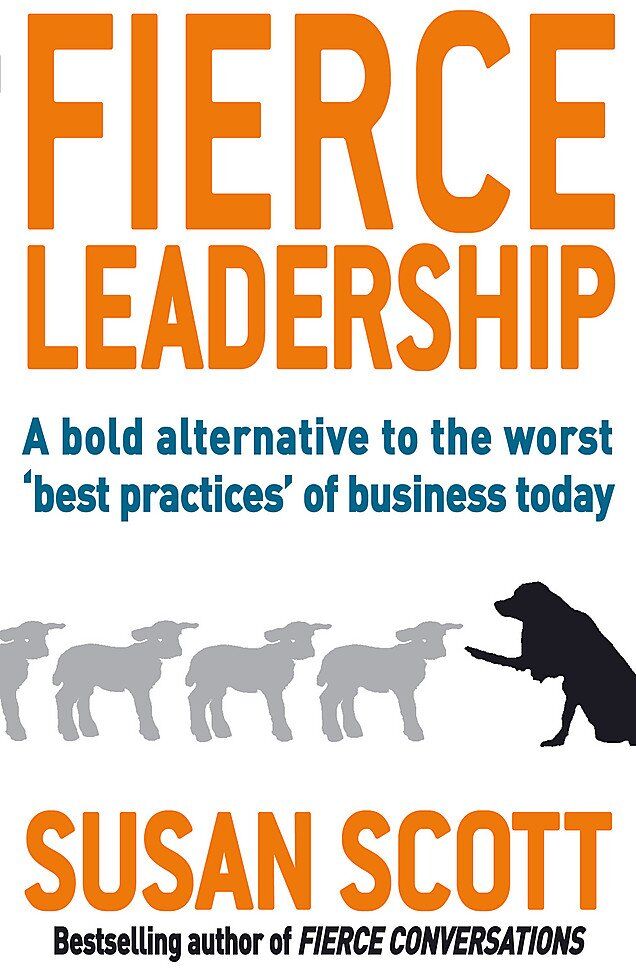
Fierce Leadership by Susan Scott - Piatkus Paperback - Business & Leadership - 336 PagesFierce Leadership by Susan Scott is a candid, research-driven challenge to the management mantras most businesses take for granted. Susan Scott, the bestselling author behind Fierce Conversations, argues that popular 'best practices' like hiring smart people or holding people accountable often quietly undermine performance, morale, and customer loyalty. Drawing on years of work inside Fortune 500 boardrooms, she offers a sharper, more honest alternative: leadership built on courageous, focused conversations rather than corporate slogans. This non-fiction paperback book explores how leadership functions inside high-performing organisations and how it fails inside ordinary ones. Susan Scott spent over a decade studying the inner workings of successful companies and presents her findings in this insightful book.2,99 £*Shipping: 2,99 £Secure redirect to the provider
-
Various Publishers The Diary of a CEO, That Will Never Work & Fierce Conversations 3 Book Paperback Set - Business, Leadership & Communication Skills CollectionThis three-book paperback set brings together some of the sharpest voices in modern business thinking. The set includes The Diary of a CEO, That Will Never Work, and Fierce Conversations. Written by Steven Bartlett, Marc Randolph, and Susan Scott, these books offer timeless lessons from entrepreneurship and thousands of podcast conversations, the extraordinary true story of building Netflix from scratch, and the art of honest, high-impact conversation. Together they form a practical toolkit for anyone building a career, a company, or simply better relationships through clearer communication.29,99 £*Shipping: 2,99 £Secure redirect to the provider
-
Rupa Publications Lead With Words, Win With Action by Dale Carnegie - Paperback Business & Leadership Self-Help Book - Practical Guide to Influence, CommunicationLead With Words, Win With Action by Dale Carnegie is a practical guide to communicating with confidence and leading with impact. This paperback book distils the enduring principles of Dale Carnegie's philosophy of influence into a modern guide for anyone who wants to build trust, motivate others, and convert conversation into real results. It blends timeless wisdom with actionable strategies for the modern workplace. The book explores how the right combination of language, listening, and follow-through can transform everyday interactions into lasting influence. Chapters cover practical topics such as how to open a conversation, disagree without creating an enemy, and more. Published by Rupa Publications, this book is a concise and energising read for anyone looking to improve their communication skills and leadership abilities.2,99 £*Shipping: 2,99 £Secure redirect to the provider
-
What is morality?
Morality refers to a set of principles or values that guide individuals on what is considered right or wrong behavior. It is a code of conduct that helps people make ethical decisions and distinguish between good and bad actions. Morality is often influenced by cultural, religious, and societal norms, and it plays a crucial role in shaping how individuals interact with others and navigate complex ethical dilemmas. **
-
Is there only subjective morality or is there also objective morality?
There is ongoing debate about whether morality is purely subjective or if there are objective moral truths. Some argue that morality is entirely subjective, meaning that it is based on individual beliefs, cultural norms, and personal experiences. Others believe in the existence of objective moral principles that are independent of individual perspectives and cultural influences. This debate is complex and has been discussed by philosophers and ethicists for centuries, and there is no consensus on the matter. **
-
Did Nietzsche want to abolish morality or enforce the master morality?
Nietzsche did not want to abolish morality altogether, but rather to challenge and critique the existing moral values of his time. He sought to undermine the traditional Christian morality, which he saw as promoting weakness and submission, and instead advocated for the reevaluation and redefinition of values based on what he called the "master morality." This master morality emphasized strength, power, and individual will, and Nietzsche believed it to be more in line with human nature and the pursuit of greatness. Therefore, Nietzsche aimed to enforce the master morality as a replacement for the prevailing moral values of his time. **
-
Can one afford morality?
Morality is not something that can be bought or sold, as it is a set of principles and values that guide one's actions and decisions. While there may be costs associated with living a moral life, such as making sacrifices or facing challenges, ultimately, morality is a choice that individuals make based on their beliefs and values. Therefore, one can afford morality by prioritizing it in their decision-making and actions, regardless of their financial situation. **
Similar search terms for Morality
-
The Readers Paradise Enhancing Your Leadership Skills: A Practical Handbook for Success by Prof. V.K.Simon - Non Fiction Paperback - Leadership & Professional DevelopmentEnhance your leadership skills with this practical handbook by Prof. V.K.Simon. Written for anyone looking to lead with confidence and clarity, it blends self-awareness, emotional intelligence, and real-world strategy to help you achieve success. Whether you're a first-time manager or a seasoned executive, this compact guide delivers tools to strengthen decision-making, communication, and team impact in a fast-changing global workplace. It's built around the idea that great leadership is learned through practice, not theory alone, and covers the core competencies every effective leader needs, starting with self-awareness and emotional intelligence.2,99 £*Shipping: 2,99 £Secure redirect to the provider
-
MACMILLAN Kim Scott Collection 2 Books Set Radical Respect & Radical Candor – Leadership, Communication & Workplace Culture GuidesThe Kim Scott Collection – 2 Books Set brings together two transformative leadership bestsellers: Radical Respect and Radical Candor. Written by acclaimed workplace expert Kim Scott, these books offer practical, honest, and empowering guidance for building stronger teams, better communication, and healthier workplace cultures. In Radical Candor, Scott introduces her now-famous framework:Care Personally + Challenge Directly.Learn how to deliver feedback effectively, build trust, and lead with clarity without becoming overly harsh or avoiding difficult conversations. In Radical Respect, Scott expands on inclusion, fairness, accountability and anti-bullying frameworks—showing readers how to build workplaces rooted in dignity, psychological safety, and genuine respect. Together, these books provide a complete roadmap for leaders, managers, HR teams and anyone who wants to communicate better, lead with courage, and create workplaces where people thrive.6,99 £*Shipping: 2,99 £Secure redirect to the provider
-
John Murray Work Rules! by Laszlo Bock – Insights from Google on Leadership & Workplace SuccessWork Rules!: Insights from Inside Google That Will Transform How You Live and Lead by Laszlo Bock 'Every year, 2 million people apply for a job at Google - so what's the secret?' Guardian A compelling manifesto with the potential to change how we work and live, Work Rules! offers both a philosophy of the new world of work and a blueprint for attracting the most spectacular talent and ensuring the brightest and best prosper. The way we work is changing - are you?1,99 £*Shipping: 1,99 £Secure redirect to the provider
-
Vermilion Dale Carnegie Personal Development Collection – 6 Book Set Self-Help, Communication & Success ClassicsDale Carnegie Personal Development Collection 6 Books Set Transform your mindset, confidence, and communication skills with the Dale Carnegie Personal Development – 6 Books Collection Set by Dale Carnegie. This powerful collection brings together some of Carnegie’s most influential works on success, relationships, leadership, and personal growth. Known for his timeless principles and practical advice, Carnegie’s teachings have helped millions of readers improve their confidence, build meaningful relationships, and achieve their goals. Perfect for professionals, students, entrepreneurs, and anyone looking to grow personally and professionally, this set offers a complete guide to mastering communication and success. Why Readers Love This Collection: Includes 6 bestselling personal development books Timeless advice on communication, confidence, and leadership Easy-to-understand, practical strategies Ideal for beginners and experienced readers Perfect for self-improvement and career growth A must-have for anyone serious about personal development, the Dale Carnegie Collection delivers proven principles for success in life and work. Description How to Develop Self-confidence and Influence People by Public Speaking Drawing on Dale years of experience as a business trainer this book will show you how to overcome the natural fear of public speaking, to become a successful speaker and even learn to enjoy it. How To Stop Worrying And Start Living Worry affects everyone and descends with ease upon work, money, family life and relationships. This book offers practical strategies for breaking out of this destructive before it breaks you. How To Enjoy Your Life And Job Life is very much what we make it, and since most of us spend the greater part of our lives at work, it follows that we should be making the best of our working lives. This book demonstrates that anyone can achieve greater satisfaction in both their home life and their job by learning to integrate business, social and personal . The Quick And Easy Way To Effective Speaking Good public speakers are made, not born - or so thinks Dale Carnegie, the pioneer of personal business skills. Yet business, social and personal satisfaction depend heavily upon a persons ability to communicate clearly. Public speaking is an important skill which anyone can acquire and develop. The Art of Public Speaking Carnegie draws upon his experience as a salesman and lecturer to counsel readers on how to overcome self-consciousness and express themselves in an easy-to-understand, high-impact manner. How to Win Friends and Influence People His advice has stood the test of time and will teach you how to make friends quickly and easily, increase your popularity, persuade people to follow your way of thinking, enable you to win new clients and customers, become a better speaker, boost enthusiasm among your colleagues. Tags; Dale Carnegie Books10,99 £*Shipping: 2,99 £Secure redirect to the provider
-
What is Philistine morality?
Philistine morality refers to a set of values and beliefs that prioritize material wealth, superficial appearances, and conformity to societal norms over deeper ethical considerations. It is often associated with a lack of intellectual or artistic appreciation, as well as a focus on immediate gratification and self-interest. The term "Philistine" originally referred to a group of people in ancient times who were considered uncultured and unrefined, and today it is used metaphorically to criticize individuals or societies that prioritize materialism and conformity over more meaningful or ethical pursuits. **
-
Is morality scientifically explainable?
Morality is a complex concept that is influenced by a variety of factors, including cultural, social, and psychological elements. While scientific research can provide insights into the origins and development of moral beliefs and behaviors, it may not be able to fully explain the subjective and value-laden nature of morality. Additionally, moral judgments often involve emotions, intuitions, and personal experiences that may not be easily captured or explained by scientific methods alone. Therefore, while science can contribute to our understanding of morality, it may not be able to provide a complete and definitive explanation. **
-
Why is there morality?
Morality exists as a set of principles and guidelines for human behavior in order to promote social harmony, cooperation, and well-being. It provides a framework for individuals to make ethical decisions and consider the impact of their actions on others. Morality also serves to regulate and maintain order within societies, as it establishes norms and expectations for how people should treat one another. Ultimately, morality is a product of human evolution and social development, arising from the need to navigate complex social interactions and promote the greater good. **
-
Does morality need God?
Morality does not necessarily need God in order to exist. Many people believe that morality can be derived from human reason, empathy, and a sense of justice. Philosophers and ethicists have developed various secular moral frameworks, such as utilitarianism and Kantian ethics, which do not rely on the existence of a divine being. While religion can certainly influence and shape moral beliefs for many people, it is not the only source of moral guidance. Ultimately, the question of whether morality needs God is a complex and deeply personal one, with different individuals and cultures holding diverse perspectives on the matter. **
* All prices are inclusive of VAT and, if applicable, plus shipping costs. The offer information is based on the details provided by the respective shop and is updated through automated processes. Real-time updates do not occur, so deviations can occur in individual cases. ** Note: Parts of this content were created by AI.